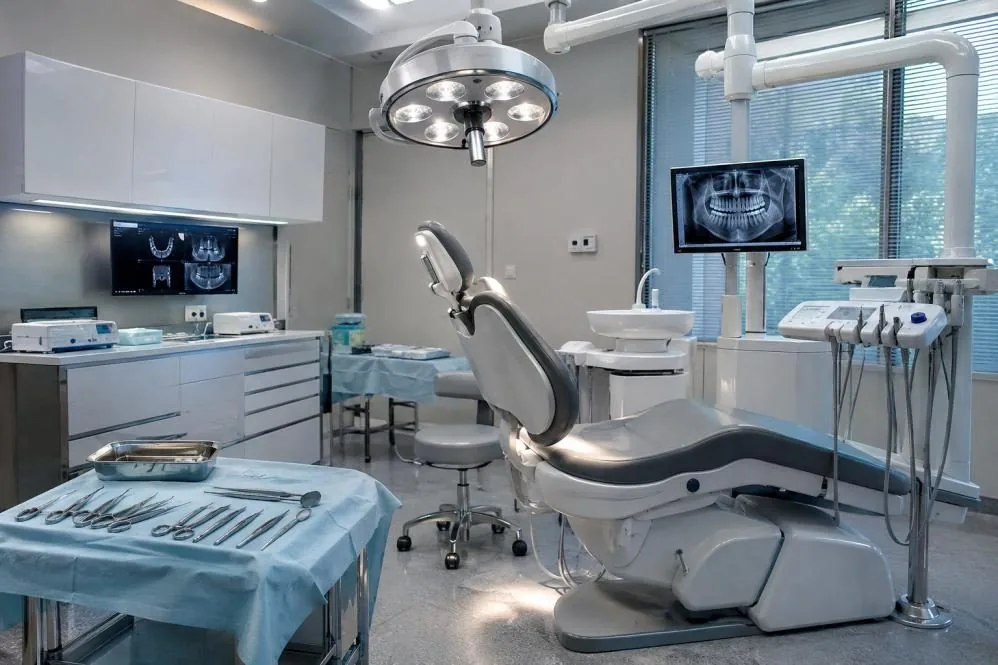
Surgical Dental Treatment
Oral Surgery in Ashburn, VA
Discuss your surgical dental care needs. Book Now
Surgical Dental Treatment
Discuss your surgical dental care needs. Book Now
Oral surgery covers procedures involving the teeth, gums, jawbone, and surrounding oral structures. Patients may be referred for oral surgery because a tooth cannot be restored, an implant site needs preparation, or a dental condition requires a surgical evaluation.
Surgical treatment can feel unfamiliar, especially when it involves anesthesia, recovery time, or multiple appointments. At Ashburn Oral Surgeon, we focus on helping patients understand why a procedure may be recommended, what alternatives may exist, and how to prepare for recovery.
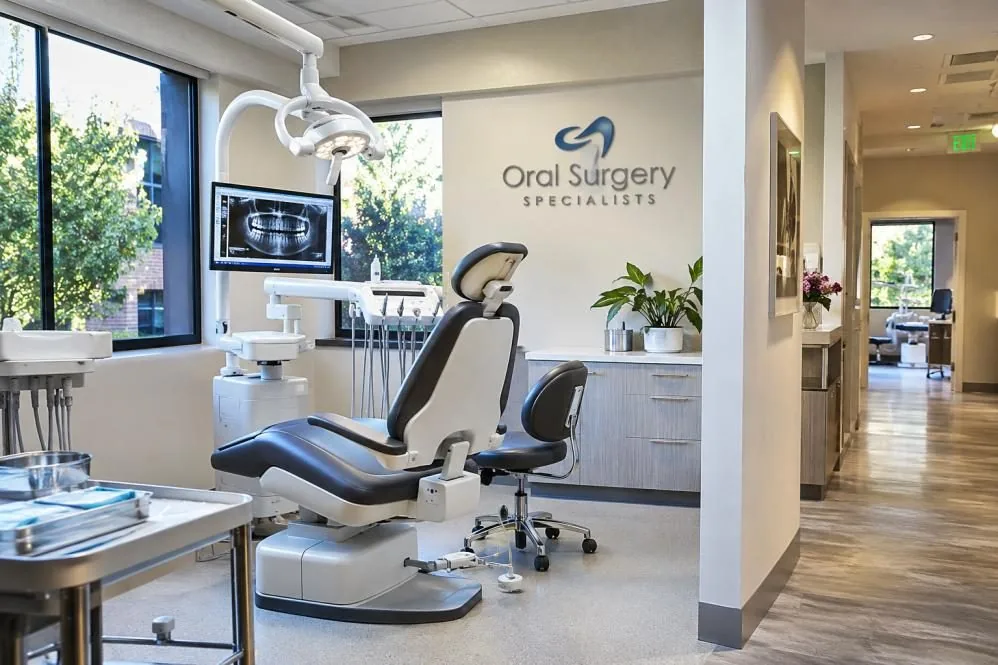
The appropriate procedure depends on the diagnosis and the patient's medical and dental history. Some conditions can be managed without surgery, while others require removal of a tooth or treatment of the surrounding bone and tissues. A careful assessment helps determine the next step.
A tooth may need removal because of extensive decay, fracture, infection, or other problems that prevent predictable restoration. The extraction approach depends on the tooth's position, root shape, and surrounding bone. When a future implant is being considered, the extraction plan may also address preservation of the surrounding bone. Patients should discuss replacement options before removal whenever practical.
Some teeth cannot be removed with a straightforward extraction because they are broken, impacted, or difficult to access. Surgical removal may require an incision and additional steps to safely remove the tooth. Imaging and examination help identify nearby anatomical structures. The surgical plan should account for these findings and the patient's overall health.
Bone grafting may be used to preserve or rebuild bone in preparation for dental implant treatment. It can be considered after extraction or when an existing implant site has inadequate bone support. The type and timing of grafting depend on the defect and treatment goal. Healing is necessary before some implant procedures can proceed.
Dental implant surgery involves preparing a site in the jawbone and placing an implant intended to support a future restoration. Planning considers bone dimensions, nearby teeth, nerves, and other anatomical structures. Implant-related procedures may involve additional preparation or staged treatment. The final plan should be coordinated with the intended restorative outcome.
Recovery instructions vary according to the procedure, but often address bleeding control, swelling, food choices, oral hygiene, medication use, and activity restrictions. Patients should receive clear instructions for managing expected symptoms and recognizing complications. Significant bleeding, fever, increasing swelling, or other concerning changes require appropriate follow-up.
We believe patients should know what condition is being treated and why the procedure is being considered.
When appropriate, nonsurgical or different surgical options should be part of the conversation.
Clear preparation and postoperative instructions help patients plan around daily responsibilities.

Have questions about an extraction, bone graft, or implant-related procedure? Start with an evaluation.
Free — no obligations
Discuss symptoms, dental history, medical conditions, and treatment goals.
Evaluate the affected teeth and surrounding anatomy.
Review the proposed treatment, alternatives, risks, and comfort options.
Complete the agreed procedure according to the clinical plan.
Follow postoperative guidance and arrange any needed reassessment.