Complete Arch Tooth Replacement
All-on-4 Dental Implants in Ashburn, VA
Explore a fixed full arch replacement option. Book Now
Complete Arch Tooth Replacement
Explore a fixed full arch replacement option. Book Now
All-on-4 is a full arch dental implant treatment concept that uses four strategically positioned implants to support a complete set of replacement teeth in one jaw. It may be considered for patients who have lost most or all of their teeth or who have remaining teeth that cannot be predictably maintained.
For some patients, this approach can provide an alternative to a traditional removable denture. However, not everyone is a candidate for four-implant support. Bone availability, implant stability, bite forces, and medical considerations all influence whether All-on-4 or another full arch approach is appropriate.
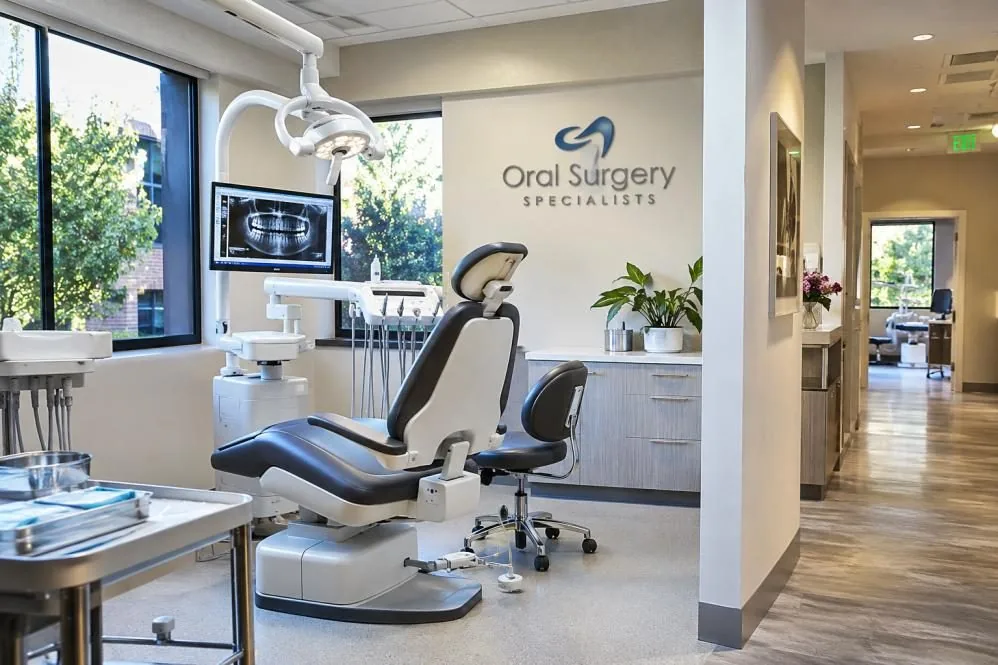
All-on-4 planning begins with the desired final result and works backward to the implant positions needed to support it. The treatment team evaluates the jawbone, remaining teeth, facial support, and available space for the replacement arch. The goal is to develop a restoration that can function comfortably while allowing for cleaning and maintenance.
People who are missing all teeth in one jaw or have severely compromised remaining teeth may wish to explore All-on-4. It can also be relevant for denture wearers who want to understand fixed implant-supported alternatives. An evaluation is necessary to determine candidacy. Factors such as bone volume, gum health, medical conditions, and the ability to maintain the restoration can affect whether the approach is recommended.
The All-on-4 concept typically uses two implants toward the front of the jaw and two positioned farther back, often at an angle. The arrangement is intended to make effective use of available bone while supporting a full arch restoration. The exact implant positions must be planned for each patient. In some situations, more than four implants or a different surgical approach may provide a more suitable treatment option.
Some patients may qualify for a temporary fixed restoration shortly after implant placement. This depends on achieving sufficient implant stability and meeting other clinical requirements. Temporary teeth are not the same as the final restoration. They may have restrictions on chewing and require adjustments during healing. Patients should understand these limitations before deciding on treatment.
Once the implants have healed sufficiently, the temporary restoration may be replaced with a final prosthesis. The final design considers appearance, bite alignment, material selection, speech, and cleaning access. Full arch restorations require ongoing maintenance. Even though the replacement teeth cannot develop cavities, the surrounding tissues can still experience inflammation or disease.
Recovery can include swelling, tenderness, and temporary changes in eating habits. Patients may need a modified diet while the implants heal and should follow the specific instructions provided by their surgical team. Long-term care includes cleaning around the restoration, attending recommended maintenance visits, and reporting looseness, discomfort, or changes in the bite promptly.
We encourage planning that considers appearance, function, hygiene, and long-term maintenance together.
Four implants are not automatically the right choice for every jaw. Other full arch approaches may be more appropriate.
We distinguish temporary teeth from the final restoration and explain the importance of healing.
Considering an alternative to dentures? Ask about All-on-4 candidacy and full arch options.
Free — no obligations
Review remaining teeth, bone, gum health, medical history, and goals.
Assess anatomy and develop a proposed implant and prosthetic design.
Plan any necessary extractions and determine whether additional procedures are needed.
Place the planned implants and evaluate their initial stability.
Provide a temporary restoration when clinically appropriate and complete the final arch after adequate healing.